Understanding the Concept of Hochre: Origins and Modern Uses
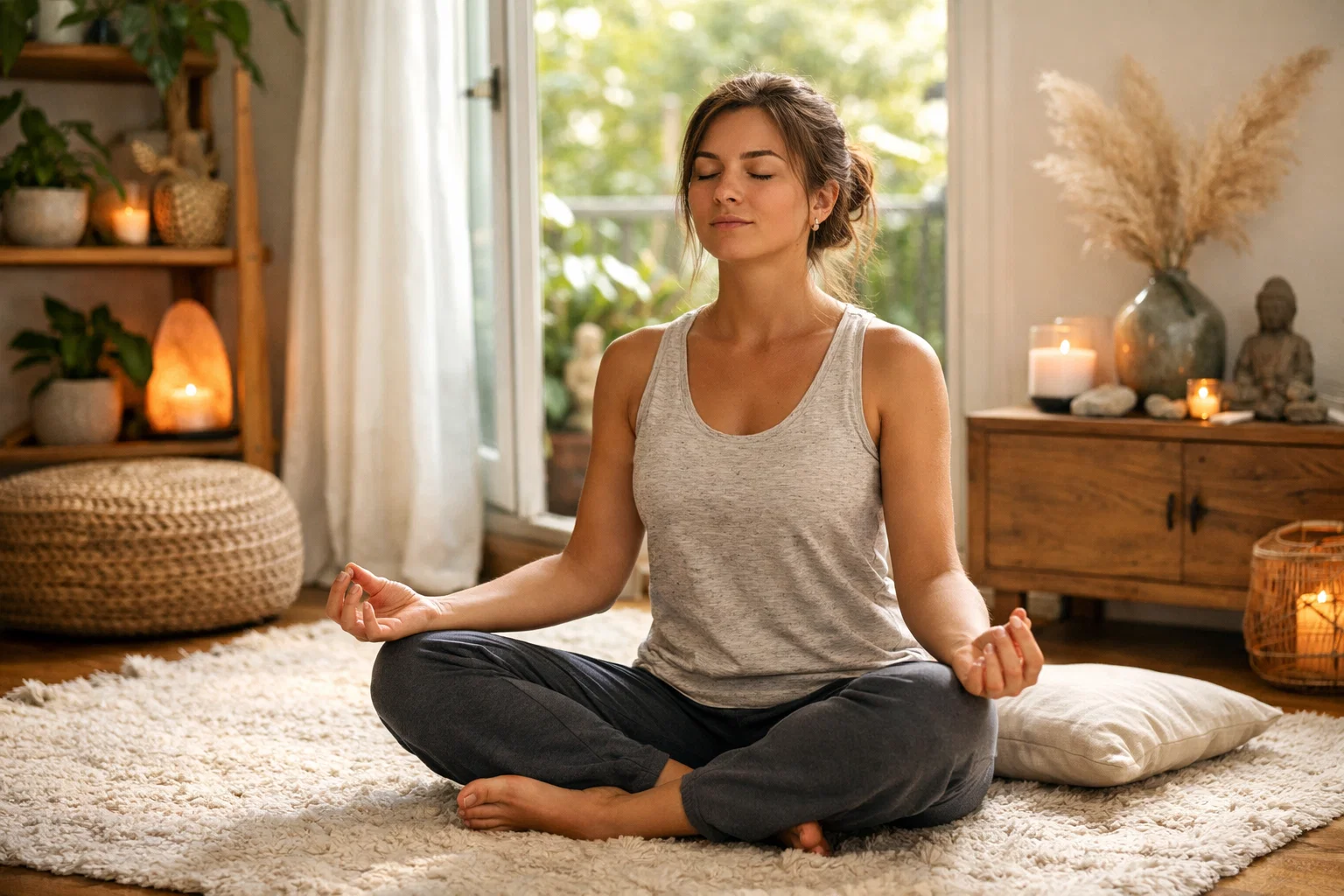
Hochre, though not a traditional dictionary word, has emerged as a powerful concept in wellness and lifestyle practices. It emphasizes creating balance between mind, body, and spirit while integrating practices that bring clarity, focus, and intentionality into daily life. Whether adopted by those seeking mindfulness or individuals striving to optimize productivity and creativity, hochre is about maintaining harmony in a chaotic world.
Historically, the term has been loosely connected with principles of mindfulness and holistic living. As our lives get busier, the relevance of such a philosophy grows. It’s an adaptable approach to living intentionally, where mindfulness, awareness, and emotional balance play key roles in personal growth. Many people have embraced it to create a balanced life, both in physical and emotional spaces.
The evolution of hochre can be seen in its application across different domains: from mental health frameworks to creative and professional environments. Its versatility is one of the reasons for its rising popularity. As people seek fulfillment in their work and personal lives, incorporating hochre’s principles offers a sustainable path to well-being and productivity.
How Hochre Helps with Holistic Well-Being: Mind, Body, and Spirit
A central focus of hochre is holistic well-being, where mental, emotional, and physical states are equally prioritized. This comprehensive approach allows individuals to become more self-aware, fostering emotional intelligence and resilience. Hochre encourages reflection on personal habits, offering the tools to reframe thoughts and reactions in healthier, more adaptive ways.
Hochre advocates a lifestyle that doesn’t solely rely on productivity or goal completion. Instead, it emphasizes being present and in tune with one’s emotions. This balanced perspective helps prevent burnout, reduces anxiety, and increases life satisfaction. In a world that often prioritizes speed and efficiency, adopting a mindful approach is crucial for long-term well-being.
Furthermore, integrating mindful movement practices such as yoga or simple stretches is a core aspect of hochre. These activities foster a strong mind-body connection that allows for better emotional and physical health. It’s about making space for rejuvenation and mindful growth through everyday habits that align with overall wellness goals.
Practical Ways to Integrate Hochre in Daily Life
Applying the principles of hochre can start with small, intentional changes that integrate seamlessly into your daily routine. Begin each day with mindful breathing exercises to set a calm tone. This practice has been linked to reduced stress and better emotional balance throughout the day. By simply taking a moment for yourself in the morning, you create space for clarity before tackling responsibilities.
Incorporating movement is equally important. Physical activity, even in small doses, connects the mind to the body, helping you feel more grounded and aware. Whether it’s a short walk, a session of stretching, or a few yoga poses, mindful movement enhances both physical health and mental clarity. Hochre encourages practices that help you tune into what your body needs, rather than reacting unconsciously to external pressures.
Reflection is another vital component of hochre practice. By spending a few minutes each evening reviewing your day and acknowledging your thoughts, emotions, and actions, you can gain greater insight into your reactions. This reflective practice not only encourages self-awareness but also offers opportunities to make adjustments for future growth. It’s a practical tool that helps you adapt to challenges more effectively.
Why Hochre is Important for Stress Management and Resilience
In today’s fast-paced world, managing stress and maintaining resilience is crucial. Hochre offers practical methods for building emotional resilience, ensuring that you can navigate life’s ups and downs with balance and ease. By developing mindfulness, you can break the cycle of reactive behavior, making thoughtful decisions instead of automatic responses. This shift improves your emotional intelligence and enables you to face challenges with a clear and calm mindset.
Stress is a natural part of life, but how we respond to it makes all the difference. The principles of hochre encourage slowing down, noticing your internal state, and taking proactive steps to release tension. Regular practices such as deep breathing or journaling help to reduce stress and promote a sense of control. By applying hochre, you empower yourself to manage stress better and cultivate resilience in difficult situations.
Incorporating these practices into your life strengthens your emotional core, providing a stable foundation to handle the unpredictable nature of modern living. The combination of mindfulness, movement, and reflection supports stress management, resulting in improved overall well-being and a more resilient approach to everyday stressors.
Linking Hochre to Mindfulness and Meditation Practices
Mindfulness is often seen as the cornerstone of hochre. It involves paying full attention to the present moment without judgment, which enhances clarity, focus, and calmness. By connecting with your inner self, mindfulness also facilitates emotional balance, helping you stay grounded during times of uncertainty. This aligns with hochre’s goal of creating harmony between the mind and body.
Meditation is a valuable tool for practicing mindfulness and is a significant part of the hochre lifestyle. Meditation allows individuals to go deeper into their thoughts and feelings, observing them without attachment or judgment. Regular practice fosters emotional balance and helps reduce the impact of external stressors. Hochre integrates both mindfulness and meditation to create a foundation of mental well-being that can be applied to all aspects of life.
The impact of mindfulness and meditation is well-documented in scientific research. Studies show that individuals who practice mindfulness experience improved cognitive function, better stress management, and higher levels of emotional intelligence. By combining these practices with the philosophy of hochre, individuals can enhance their overall quality of life and improve their ability to respond to challenges with grace and clarity.
The Growing Popularity of Hochre in Wellness Communities
The rise of wellness culture and holistic health practices has led to a growing interest in hochre. People are increasingly turning to alternative and mindful approaches to navigate modern life, and hochre offers a balanced solution. By blending mindfulness, physical wellness, and emotional awareness, hochre has gained popularity in wellness communities, particularly among individuals who seek to enhance their quality of life without relying on traditional methods.
In wellness groups and forums, hochre is often recommended for improving focus, enhancing creativity, and managing mental health. It’s seen as a method of integrating self-care practices into everyday life, making it accessible to everyone, no matter their schedule or lifestyle. The simplicity and flexibility of hochre make it appealing to those who want to live mindfully and purposefully in a fast-moving world.
As the wellness industry continues to expand, hochre is expected to grow as a preferred approach to personal development. It’s a philosophy that adapts to individual needs, helping people achieve well-being while embracing their unique lifestyles. Whether for mental health, productivity, or creativity, hochre’s holistic principles continue to resonate with those seeking balance.
Common Misconceptions About Hochre and How to Avoid Them
As with any emerging concept, misconceptions about hochre abound. Some people may dismiss it as just another passing trend, but in reality, hochre is based on time-tested principles that have been embraced by both ancient cultures and modern wellness experts. It’s not a fad but a sustainable approach to life improvement that’s gaining credibility in many circles.
Another misconception is that hochre requires a rigid daily routine or specialized tools. In fact, hochre is flexible and can be integrated in ways that fit your personal needs. Whether it’s through meditation, breathing exercises, or journaling, the key is to create a practice that resonates with you. There are no strict rules about how hochre should be practiced — it’s about what works best for your well-being.
Finally, some may mistake hochre for being only about stress relief or emotional balance. While these are key components, hochre also contributes to productivity, creativity, and holistic health. It’s a broad philosophy that enhances every aspect of life, from mental clarity to physical fitness. Embracing hochre is about creating a well-rounded lifestyle that nurtures both personal growth and long-term health.
Read More: Advertise FeedBuzzard: A Complete Guide to Smart Digital Advertising
Conclusion: Embracing Hochre for a Balanced Life
Hochre is more than just a concept; it’s a comprehensive approach to living well in today’s busy world. Through mindfulness, movement, and emotional reflection, hochre teaches individuals how to cultivate clarity and balance in their lives. Whether for stress management, productivity, or personal growth, hochre offers valuable tools for navigating the complexities of modern life. By integrating this holistic philosophy, individuals can create a sustainable, healthy, and fulfilling lifestyle that aligns with their deepest values.









Post Comment