Understanding the Significance of “hellooworl” in Programming
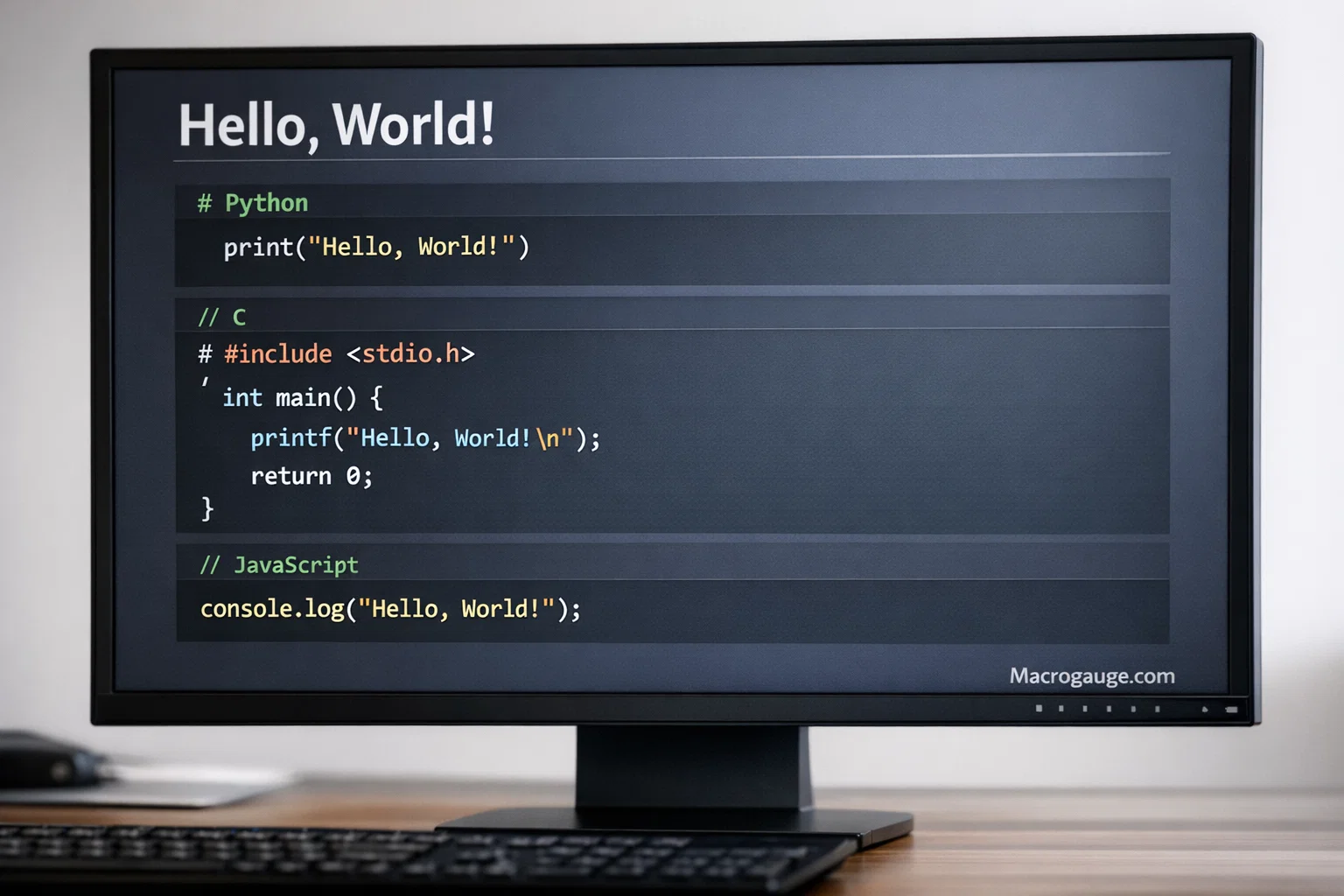
The term “hellooworl” may not be immediately recognizable, but it evokes a certain connection to one of the most iconic traditions in computer programming: the “Hello, World!” program. In many ways, “hellooworl” serves as a modern twist on this classic phrase that has been used by countless programmers throughout the years. The “Hello, World!” program is a simple exercise that displays the words “Hello, World!” on a screen, marking a programmer’s first steps into the world of coding. When adapted to “hellooworl,” it highlights an evolution of this tradition while keeping the fundamental principles intact.
For beginners, the “hellooworl” exercise serves as an introduction to coding basics such as syntax, output, and the general structure of a program. It’s an incredibly straightforward piece of code, yet it sets the foundation for understanding how code works. Through this program, learners begin to grasp the relationship between writing code and seeing tangible results on a screen. The power of “hellooworl” lies in its simplicity; it’s a gentle introduction that doesn’t overwhelm newcomers but encourages them to dive deeper into the complexities of programming.
Even though the phrase “hellooworl” is a variation of the traditional “Hello, World!” program, it still carries much of the same significance. The simplicity of the program, combined with its symbolic meaning, ensures that it remains an essential stepping stone for any aspiring coder. As such, “hellooworl” continues to be a tradition that new learners encounter, no matter the language or platform they choose.
The Evolution of “hellooworl” and Its Role in Modern Programming
While the origins of the “Hello, World!” program are rooted in the early days of programming, the concept of “hellooworl” provides a fresh perspective. The modernized term reflects how programming has evolved over time, with new languages, frameworks, and tools that cater to the ever-expanding digital landscape. “hellooworl” retains the essence of the original program but invites a new generation of coders to explore different programming environments with an updated mindset.
Throughout the years, programming languages such as Python, JavaScript, and C have used the “Hello, World!” phrase in their tutorials and books. As technology advanced, so too did the way programmers interacted with code. In the age of mobile apps, web development, and cloud computing, the “hellooworl” program has become a universal exercise that spans across numerous fields of programming. Whether you’re building a simple web page or working on complex machine learning algorithms, “hellooworl” serves as the foundational piece of code that every developer starts with.
In today’s coding landscape, “hellooworl” is no longer just about understanding the syntax of a new language; it represents a step into a much larger world. It teaches learners how to engage with a programming environment, use development tools, and understand how code functions in real-world applications. The significance of “hellooworl” has grown beyond a mere beginner’s exercise, standing as a gateway into modern software development that connects past traditions with the present and future of programming.
Writing the “hellooworl” Program in Different Languages
One of the fascinating aspects of “hellooworl” is how this simple program takes on different forms across programming languages. Each programming language has its own syntax and style, and the “hellooworl” program provides a glimpse into these differences. Whether you’re working with Python, Java, or even newer languages like Rust or Go, the principles behind the “hellooworl” exercise remain the same.
In Python, for example, writing “hellooworl” is as simple as:
print("hellooworl")
This one-liner highlights Python’s minimalistic syntax, making it an easy language for beginners to pick up. On the other hand, in a more complex language like C, the program requires a bit more structure:
#include <stdio.h>

int main() {
    printf("hellooworl\n");
    return 0;
}
The C version involves setting up a function and including a header file, which introduces beginners to the concept of functions and external libraries. Each version of “hellooworl” in different programming languages gives students insight into how syntax varies while maintaining the same output: displaying “hellooworl” on the screen. This diversity teaches learners how to adapt to various programming environments while staying true to the basic concepts of coding.
By experimenting with “hellooworl” in multiple languages, students gain a more comprehensive understanding of how different languages handle basic operations. This exercise provides an invaluable opportunity for learners to explore coding fundamentals in a hands-on way while preparing them for more advanced topics in software development.
Why “hellooworl” Continues to Be Important Today
In a world dominated by complex applications and sophisticated technology, the simplicity of “hellooworl” may seem outdated. However, it remains a vital and relevant exercise in today’s programming education. As the world of technology continues to evolve, the need for foundational learning remains unchanged. “hellooworl” allows beginners to focus on the essentials: writing and executing code, debugging, and seeing immediate results.
Writing the “hellooworl” program teaches key programming concepts, such as how to structure a program, how to run code, and how to understand error messages. For beginners, this is often the first exposure they have to the world of coding. In fact, even professional developers, when exploring a new language or framework, often start by writing a “hellooworl” program to verify that the tools and environment are properly set up. This simple program ensures that a developer is ready to tackle more complex challenges ahead.
Moreover, “hellooworl” represents a critical milestone in a learner’s journey. It symbolizes the transition from abstract concepts to tangible results. By running this basic program, learners take the first step toward becoming proficient in software development. Even in today’s complex digital landscape, “hellooworl” serves as a reassuring reminder that every expert coder starts with the same basic building blocks.
“hellooworl” and Its Impact on Programming Communities
“hellooworl” transcends its role as a basic programming exercise. It has become a shared experience among programmers around the world, symbolizing the beginning of a coding journey. This commonality forms an important bond in the global programming community, as beginners, educators, and seasoned professionals all share in the simplicity of this program.
Beyond just being a programming tradition, “hellooworl” has fostered a sense of camaraderie in developer communities. Online forums, coding bootcamps, and educational platforms often celebrate the moment when learners successfully run their first “hellooworl” program. It’s a universal experience that helps new programmers connect with others who have walked the same path before them.
In fact, variations of “hellooworl” are often used to welcome new members into coding communities. When someone joins a new programming language, it’s not uncommon for them to be greeted with their first “hellooworl” example or to share their own version as a way of marking their progress. This practice serves as both a rite of passage and a social tradition that encourages new coders to keep learning and growing in their craft.
The Role of “hellooworl” in Shaping Coding Culture
The significance of “hellooworl” extends beyond technical learning. It plays a crucial role in shaping the culture of programming itself. The simplicity and elegance of this exercise reflect the broader values of the coding community — a focus on clarity, precision, and accessibility. By emphasizing the basics, “hellooworl” reinforces the idea that every great programmer starts with small, manageable steps.
“hellooworl” also serves as a cultural marker in the programming world. For many seasoned developers, the program is a nostalgic reminder of their first experiences with code. For newcomers, it represents the start of an exciting journey into the vast world of technology. This shared experience contributes to the sense of community and belonging that is integral to the world of software development.
Furthermore, as coding practices evolve, “hellooworl” continues to serve as a valuable checkpoint for those learning new tools and frameworks. While programming languages change and expand, the essence of the “hellooworl” tradition remains timeless. It’s a cultural constant that unites all developers, regardless of language or expertise, in a shared starting point.
Read More: Advertise FeedBuzzard: A Complete Guide to Smart Digital Advertising
Conclusion: The Legacy and Future of “hellooworl”
Despite its simplicity, “hellooworl” represents far more than just a beginner’s exercise. It’s a powerful tradition in programming that has stood the test of time. Whether you’re just starting your coding journey or learning a new language, “hellooworl” serves as a reminder of the basics — a crucial starting point that prepares you for the complexities ahead.
In the digital age, where technology evolves rapidly, the significance of “hellooworl” endures. It helps new coders navigate the learning process, encourages them to continue developing their skills, and creates a sense of connection within the global programming community. No matter what language you write it in, the act of coding “hellooworl” marks the beginning of an exciting and lifelong learning adventure. And as programming languages and technologies continue to grow, the legacy of “hellooworl” will continue to guide new generations of developers toward a brighter future in software development.












Post Comment